A Clear Roadmap From Planning to Move-In Day
The key steps in new home construction projects include planning your budget, securing land, designing the home, getting permits, preparing the site, building the structure, completing interior work, and finishing with inspections. Each phase builds on the last. When done in the right order, the process moves more smoothly and helps avoid delays and extra costs.
What You Need Before Starting
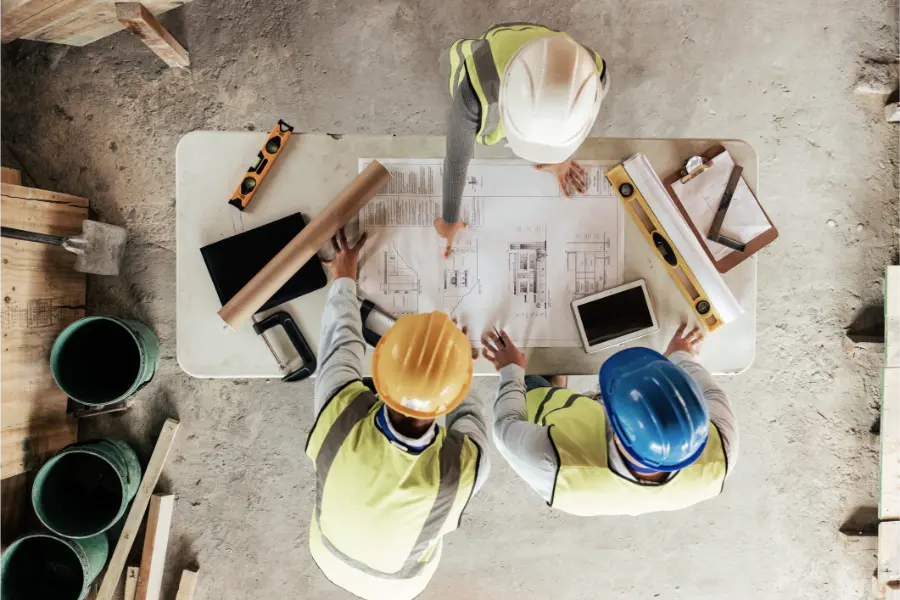
Before any work begins, you need a solid plan. Start with a clear budget. Know how much you can spend and leave room for surprise costs. Most builds have small changes along the way.
You also need land or a lot. The land should be properly zoned for residential use. Check access to water, sewer, and power. If utilities are not nearby, costs may rise.
Next, work with a designer or architect to create house plans. The design should match your lifestyle. Think about the number of bedrooms, bathrooms, storage, and outdoor space.
At this point, many people contact a builder who specializes in new home construction. Getting expert input early can help you avoid design problems later.
Step-by-Step Process of New Home Construction
Once planning is complete, the building process follows a clear path.
- Secure permits: Your builder submits plans to the local building department. Work cannot begin until permits are approved.
- Site preparation: The lot is cleared, leveled, and graded. Surveyors mark property lines.
- Foundation work: Crews pour the foundation or slab. This supports the entire structure.
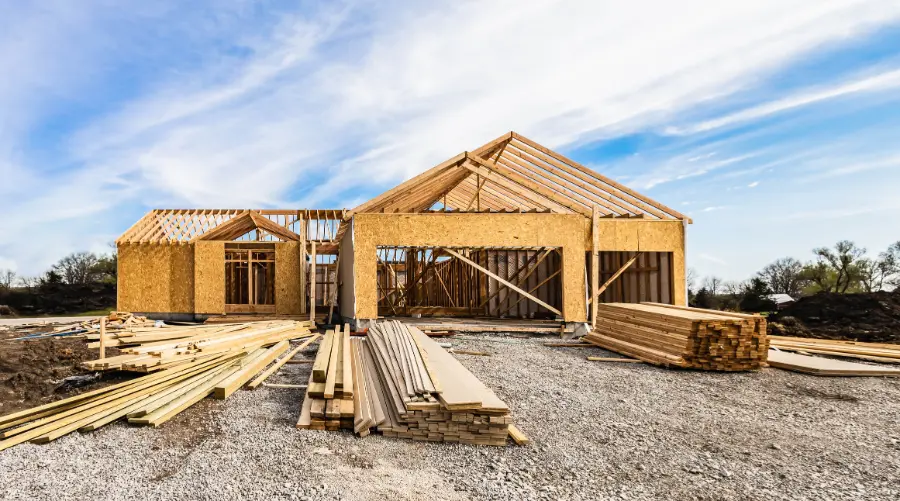
- Framing: Walls, floors, and the roof frame are built. At this stage, the home’s shape becomes visible.
- Roofing and exterior: Roof shingles, windows, doors, and siding are installed. The home is now protected from weather.
- Mechanical systems: Plumbing, electrical wiring, and HVAC systems are installed inside the walls.
- Insulation and drywall: Insulation is placed, then drywall is hung and finished.
- Interior finishes: Cabinets, flooring, paint, lighting, and fixtures are added.
- Final inspections: Local inspectors review the work. Once approved, you receive a certificate of occupancy.
Each step depends on the one before it. Skipping or rushing a phase can create problems later.
Common Mistakes to Avoid
New builds can feel exciting, but small mistakes add up.
One common mistake is underestimating the budget. Upgrades, permits, and utility connections often cost more than expected. Always set aside extra funds.
Another mistake is making too many design changes after framing begins. Late changes can delay the project and increase labor costs.
Some owners also focus only on appearance. Layout and storage matter just as much as style. Think about daily routines. For example, placing the laundry room near bedrooms saves time and effort.
Poor communication is another issue. Regular updates with your builder help keep everyone aligned.
When to Call A Professional
Building a home is not a simple DIY project. It requires licensed trades, inspections, and meeting building codes. A professional builder manages timelines, subcontractors, materials, and safety standards.
You should involve a contractor early if:
- You need help reviewing house plans
- You are unsure about zoning rules
- You want realistic cost estimates
- You need guidance on material choices
An experienced team can spot problems before construction begins. This saves money and stress later.
Final Recommendation and Next Steps
New home construction takes planning, patience, and the right team. Start with a clear budget and design. Follow each step in order, from permits to final inspection. Stay involved during the build and ask questions when needed. If you are planning a project in Roebuck, SC, we are here to help guide you from start to finish. At JW Thomas Home Builders, LLC, our team manages every phase with care and attention to detail. Call us at (864) 384-0871 to talk about your ideas and learn how we can build a home that fits your needs and goals.