How Custom Layouts, Finishes, and Features Make These Homes Highly Adaptable
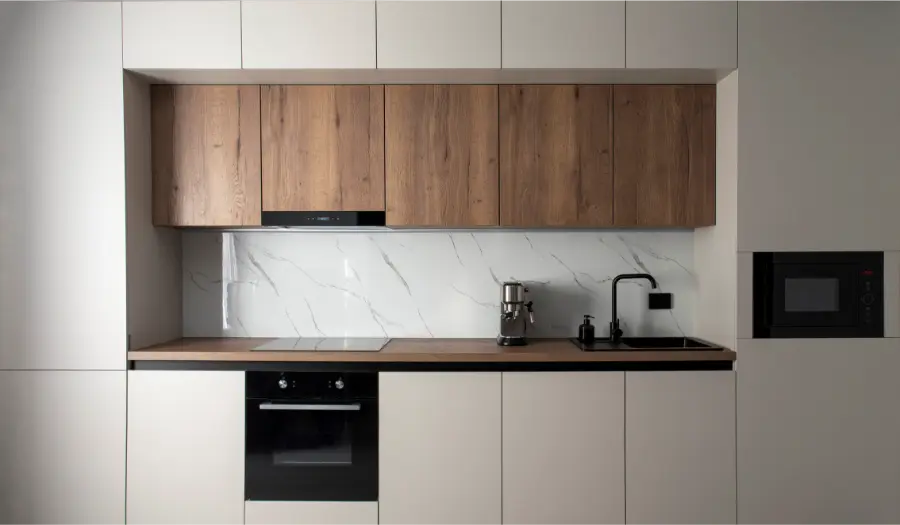
Design flexibility in modular home construction means you can customize your home’s layout, style, and features to fit your needs. Many people think modular homes come in set patterns with few changes allowed. That is not true. Today, builders offer many floor plans, exterior styles, and interior options. You can adjust room sizes, move walls, add upgrades, and create a home that feels personal and unique.
What You Need Before You Start Planning
Before you begin designing, you need a clear idea of how you live. Think about your daily routine and your future plans. A growing family will have different needs than a retired couple. Also review your budget, land size, and local building rules.
Here are a few things to define early:
- Your must-have rooms and features
- Your total budget range
- Your lot size and shape
- Your long-term plans, like aging in place or future additions
Having this information makes the design process smoother and helps you avoid costly changes later.
Step-by-Step: How Design Flexibility Works
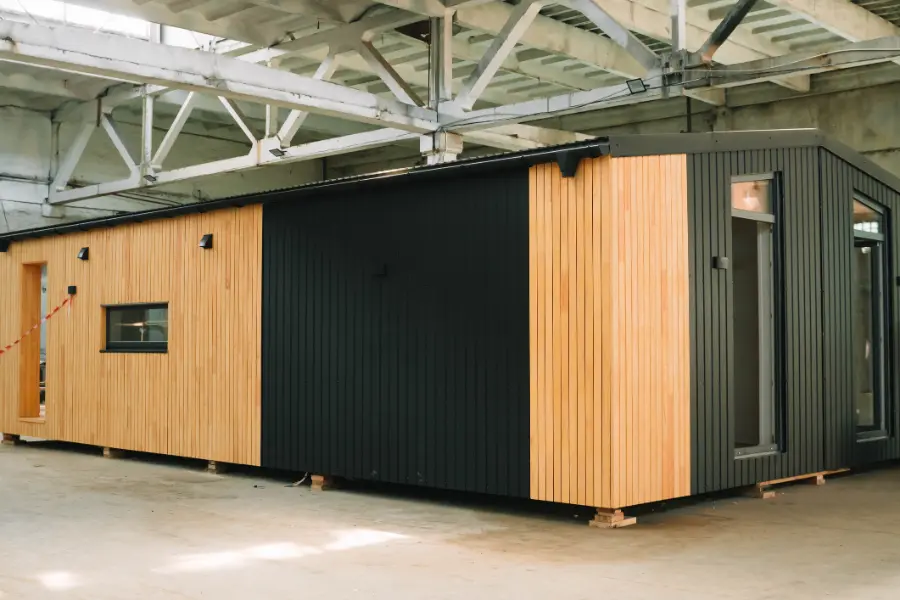
Modular home construction follows a clear process. While modules are built in a factory, you still have many chances to customize the home before production begins.
- Choose a Base Floor Plan: Start with a model that fits your size needs. This is your starting point.
- Modify the Layout: Adjust room sizes, move interior walls, or change the kitchen layout. Many builders allow combining modules for open-concept designs.
- Select Exterior Style: Pick siding, roofing, porch options, dormers, and garages.
- Customize Interior Finishes: Choose flooring, cabinets, countertops, lighting, and paint colors.
- Add Structural Options: Vaulted ceilings, extra bathrooms, expanded kitchens, or bonus rooms can often be included.
Once the design is finalized, the modules are built indoors while site work happens at the same time. This saves time compared to some traditional builds.
Common Mistakes to Avoid
Even though modular home construction offers flexibility, there are still limits. Avoid these common mistakes:
- Making big layout changes after production starts
- Ignoring local zoning rules or HOA guidelines
- Forgetting about storage space
- Choosing trends over long-term function
For example, removing too many walls may look modern but reduce storage or furniture placement options. Think about how each design choice will work five or ten years from now.
When to Call a Professional Designer or Builder
Some changes are simple, like choosing finishes. Others affect structure and cost. If you want major layout changes, custom roof lines, or large additions, talk to an experienced builder early.
Professionals can:
- Confirm structural limits
- Help balance budget and design goals
- Suggest smart upgrades that add long-term value
- Explain local code requirements
This guidance helps you get the look you want without running into setbacks later.
Final Recommendation and Next Steps
If you want a home that matches your lifestyle, modular home construction gives you more flexibility than many people expect. Start with a strong base plan, define your priorities, and work closely with a knowledgeable team. With proper planning, you can create a home that feels fully custom while still benefiting from the speed and efficiency of factory-built construction.
Ready to Design a Home That Fits Your Life?
At JW Thomas Home Builders, LLC, we help homeowners throughout Roebuck, SC create custom spaces through modular home construction that reflect their needs and style. We guide our clients through floor plan changes, finish selections, and structural options so the final home feels personal and functional. If you are ready to explore your design options, call us at (864) 384-0871 and let us help you plan a home that truly works for you.